

Aluminum Scrap: A Complete Guide to Sustainable Metal Recycling
Introduction
Aluminum scrap has become one of the most valuable and widely traded recyclable materials in the global metal industry. Known for its versatility, durability, and eco-friendly properties, aluminum scraps plays a crucial role in modern manufacturing and sustainability efforts. Industries across construction, automotive, aerospace, packaging, and electronics rely heavily on recycled aluminum to reduce costs and environmental impact.
This comprehensive guide explores everything you need to know about aluminum scrap—from its origins and historical significance to its specifications, uses, and frequently asked questions. Whether you are a buyer, supplier, recycler, or simply interested in sustainable materials, this detailed overview will provide valuable insights.
What is Aluminum Scrap?
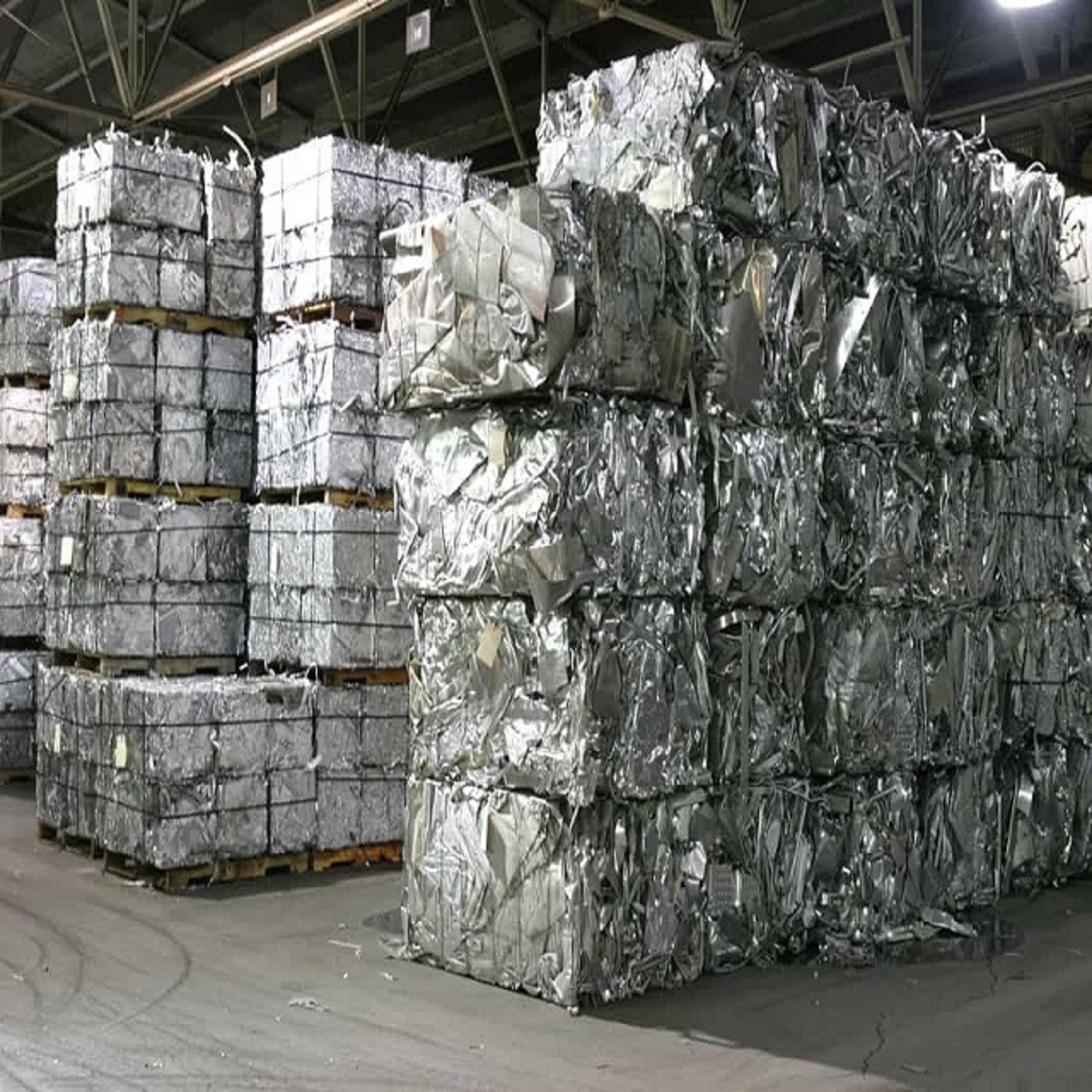
Aluminum scraps refers to discarded or leftover aluminum materials that can be recycled and reused. These materials may come from manufacturing waste, used products, construction debris, or obsolete machinery. Unlike many other metals, aluminum retains its properties even after multiple recycling processes, making it highly desirable.
Aluminum scraps is typically categorized into different grades depending on its purity, composition, and form. Common types include:
-
-
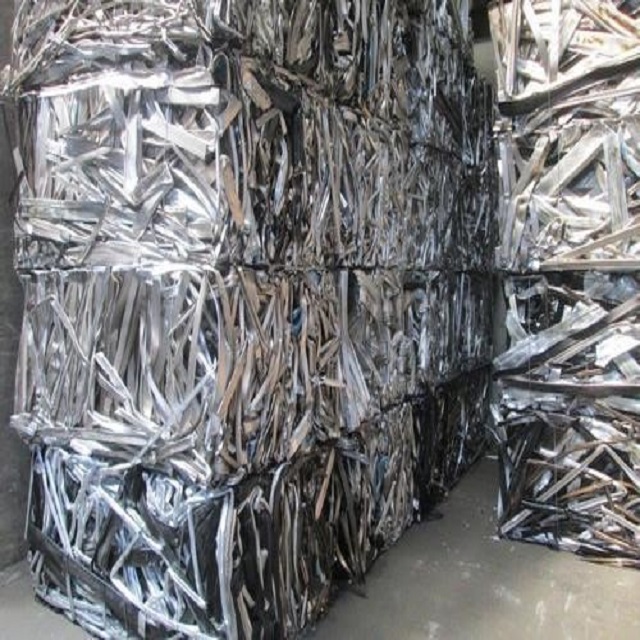
- Extrusion scrap
- Sheet aluminum scrap
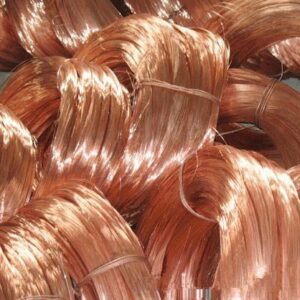
- Aluminum wire scrap
- Aluminum cans (UBC – Used Beverage Cans)
- Cast aluminum scrap
- Aluminum alloy scrap
-
Origins of Aluminum Scrap
Aluminum is derived from bauxite ore, a naturally occurring mineral found in various parts of the world. Major producers of aluminum include countries with abundant bauxite reserves and advanced refining infrastructure.
The journey from raw ore to scrap involves several stages:
-
-
- Mining of bauxite ore
- Refining into alumina
- Smelting into primary aluminum
- Manufacturing into products
- Collection and recycling into aluminum scrap
-
Once aluminum products reach the end of their lifecycle, they enter the recycling stream as scrap, where they are processed and reused in new applications.
Brief History of Aluminum and Its Recycling
Aluminum has a fascinating history that reflects its transformation from a rare metal to an everyday essential material.
Early Discovery
Aluminum was first identified in the early 19th century but was considered more valuable than gold due to the difficulty of extraction.
Industrial Breakthrough
The development of the Hall-Héroult process in the late 1800s revolutionized aluminum production, making it more affordable and widely available.
Rise of Recycling
By the mid-20th century, industries began recognizing the economic and environmental benefits of recycling aluminum. The recycling of aluminum requires up to 95% less energy compared to producing new aluminum from raw ore.
Modern Recycling Industry
Today, aluminum recycling is a global industry, with millions of tons of scrap processed annually. It plays a critical role in reducing carbon emissions and conserving natural resources.
Importance of Aluminum Scrap in Modern Industry
1. Environmental Sustainability
Recycling aluminum significantly reduces greenhouse gas emissions and energy consumption. It minimizes the need for mining and preserves natural ecosystems.
2. Cost Efficiency
Using aluminum scrap is more economical than producing primary aluminum. Manufacturers benefit from lower raw material costs while maintaining high-quality output.
3. Infinite Recyclability
Aluminum can be recycled repeatedly without losing its physical or chemical properties, making it one of the most sustainable materials available.
4. Wide Industrial Applications
Recycled aluminum is used in:
-
-
- Automotive parts
- Aircraft components
- Beverage cans
- Construction materials
- Electrical systems
-
Types and Grades of Aluminum Scrap
Understanding the different grades of aluminum scrap is essential for buyers and sellers.
1. Clean Aluminum Scrap
Free from contaminants such as paint, coatings, or other metals. Highly valuable due to its purity.
2. Mixed Aluminum Scrap
Contains a mixture of different aluminum alloys and may include minor impurities.
3. Old Scrap
Recovered from used products such as cans, window frames, and machinery.
4. New Scrap
Generated during manufacturing processes, including offcuts and shavings.
5. Aluminum Alloy Scrap
Includes specific alloys designed for particular applications, such as aerospace or automotive industries.
Aluminum Scrap Specifications
Specifications vary depending on the grade and intended use. Below are common parameters:
Chemical Composition
-
-
- Aluminum content: Typically 85%–99%
- Alloying elements: Silicon, magnesium, copper, zinc
-
Physical Form
-
-
- Sheets
- Plates
- Turnings
- Extrusions
- Wires
-
Cleanliness
-
-
- Free from oil, grease, and moisture
- Minimal contamination
- No hazardous materials
-
Size and Dimensions
-
-
- Uniform size preferred for efficient processing
- Custom sizing available for industrial requirements
-
Packaging
-
-
- Baled
- Loose
- Bundled
-
Aluminum Scrap Recycling Process
The recycling process involves several stages:
1. Collection
Scrap is gathered from households, industries, and demolition sites.
2. Sorting
Materials are sorted based on type, grade, and composition.
3. Cleaning
Contaminants such as paint, coatings, and debris are removed.
4. Shredding
Scrap is shredded into smaller pieces for easier melting.
5. Melting
Aluminum is melted in furnaces at high temperatures.
6. Purification
Impurities are removed to achieve desired quality.
7. Casting
Molten aluminum is cast into ingots, billets, or sheets.
Applications of Recycled Aluminum
Recycled aluminum is used across multiple industries:
Automotive Industry
Lightweight aluminum components improve fuel efficiency and performance.
Construction Sector
Used in window frames, roofing, and structural elements.
Packaging Industry
Aluminum cans and foils are widely produced from recycled materials.
Electronics
Used in wiring, casings, and electronic components.
Aerospace
High-strength aluminum alloys are essential for aircraft manufacturing.
Benefits of Using Aluminum Scrap
Energy Savings
Recycling aluminum saves up to 95% of the energy required for primary production.
Reduced Carbon Footprint
Lower emissions contribute to a cleaner environment.
Resource Conservation
Preserves natural resources by reducing the need for mining.
Economic Value
Creates jobs and supports the global recycling economy.
Versatility
Suitable for a wide range of applications across industries.
Quality Assurance and Standards
High-quality aluminum scrap must meet industry standards to ensure reliability and performance.
Key Quality Factors
-
-
- Purity level
- Consistency
- Absence of contaminants
- Compliance with international standards
-
Common Standards
-
-
- ISRI (Institute of Scrap Recycling Industries) guidelines
- International metal recycling specifications
- Industry-specific requirements
-
Storage and Handling
Proper storage and handling are essential to maintain the quality of aluminum scrap.
Storage Tips
-
-
- Keep in dry environments
- Avoid exposure to moisture
- Store separately by grade
-
Handling Practices
-
-
- Use appropriate equipment
- Prevent contamination
- Follow safety protocols
-
Market Demand and Trends
The demand for aluminum scrap continues to grow due to:
-
-
- Increasing focus on sustainability
- Rising energy costs
- Expansion of recycling industries
- Government regulations promoting eco-friendly practices
-
Global markets are witnessing steady growth, with emerging economies playing a significant role in supply and demand.
Why Choose Aluminum Scrap?
Aluminum scrap offers a perfect balance of performance, cost-effectiveness, and environmental responsibility. It is an ideal choice for businesses looking to reduce operational costs while contributing to sustainability goals.
Frequently Asked Questions (FAQ)
1. What is aluminum scraps used for?
Aluminum scrap is used to manufacture new aluminum products, including automotive parts, packaging materials, and construction components.
2. Is aluminum scraps recyclable?
Yes, aluminum is 100% recyclable and can be reused indefinitely without losing its properties.
3. How is aluminum scraps priced?
Prices depend on factors such as grade, purity, market demand, and global metal prices.
4. What are the different grades of aluminum scraps?
Common grades include clean aluminum, mixed scrap, extrusion scrap, and alloy scrap.
5. Why is aluminum recycling important?
It reduces energy consumption, lowers emissions, and conserves natural resources.
6. How can I identify high-quality aluminum scrap?
Look for clean, uncontaminated material with consistent composition and minimal impurities.
7. Can aluminum scraps be reused multiple times?
Yes, aluminum retains its properties even after repeated recycling.
8. What industries use recycled aluminum?
Industries such as automotive, construction, packaging, electronics, and aerospace use recycled aluminum.
9. How is aluminum scraps processed?
It undergoes sorting, cleaning, shredding, melting, and casting to create new products.
10. Is aluminum scrap environmentally friendly?
Yes, it significantly reduces environmental impact compared to primary aluminum production.
Conclusion
Aluminum scraps is a cornerstone of sustainable manufacturing and modern industrial practices. Its ability to be recycled endlessly without losing quality makes it one of the most valuable materials in the global economy. By choosing aluminum scraps, businesses and industries can reduce costs, conserve resources, and contribute to a greener future.
Whether you are sourcing materials, investing in recycling, or exploring eco-friendly alternatives, aluminum scraps offers unmatched benefits and opportunities in today’s world.
Reviews
There are no reviews yet.