
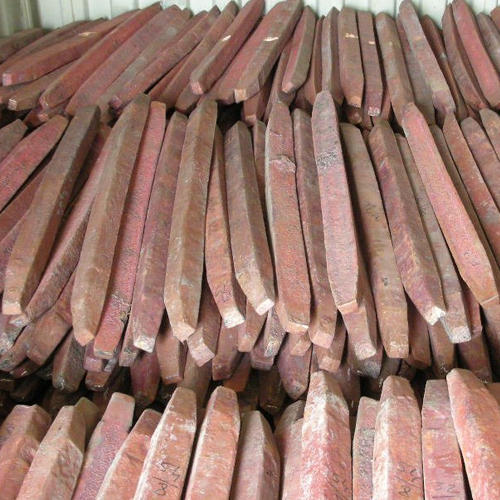
Copper Ingots Scrap – Premium Quality for Industrial & Recycling Applications
Introduction
Premium Copper ingots scrap is one of the most valuable and widely traded forms of recyclable metal in the global commodities market. Known for its excellent conductivity, durability, and reusability, copper plays a crucial role in industries ranging from construction and electronics to automotive and energy.
Copper ingots scrap refers to processed or semi-processed recycled copper that has been melted down and cast into ingot form, making it easier to store, transport, and reuse in manufacturing processes.
As sustainability becomes increasingly important across industries, the demand for recycled materials like copper ingots scrap continues to grow. Businesses and manufacturers are actively seeking reliable suppliers who can provide high-quality copper scrap that meets strict industry standards. Whether used in electrical wiring, plumbing systems, or industrial machinery, copper ingots scrap offers both economic and environmental benefits.
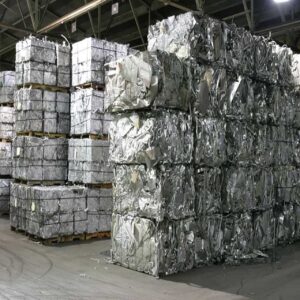
We specialize in the manufacture and supply of Copper Wire, Copper Cathode, Copper Pipes, Lead Ingots, Alluminum Wire, Alluminum Sheet, Alluminum Wheel, Drained Lead Acid Battery Scrap, Fridge and AC Compressor Scrap.
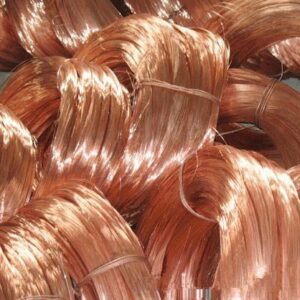
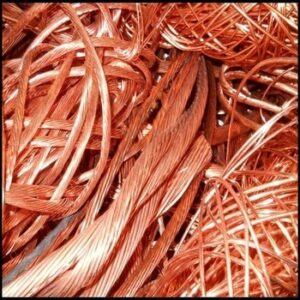
we are leading supplier and distributors of Copper and Aluminium Scrap and We sell high quality copper wire scraps and other scrap types.
Origins of Premium Copper ingots scrap
Copper has been used by humans for over 10,000 years, making it one of the oldest known metals. Its origins trace back to ancient civilizations such as Mesopotamia, Egypt, and the Indus Valley, where it was used to create tools, weapons, and decorative items.
Premium Copper ingots scrap themselves have a long history as a standardized form of storing and trading metal. Ancient traders would cast molten copper into ingots for easier transportation and exchange. These ingots often served as a form of currency or trade commodity.
In modern times, copper ingots scrap originates from a variety of sources, including:
-
-
- Industrial waste and offcuts
- Demolished electrical systems
- Old plumbing materials
- Automotive components
- Electronic waste (e-waste)
- Manufacturing leftovers
-
These materials are collected, sorted, cleaned, and melted down into ingots, creating a sustainable loop of reuse and recycling.
Brief History of Copper Recycling
Copper recycling dates back to ancient times when metalworkers reused scrap to conserve resources. However, the industrialization of copper recycling began during the 19th and 20th centuries, driven by increased demand and limited natural resources.
During major global events such as World War I and World War II, copper recycling became essential due to shortages of raw materials. Governments encouraged citizens to recycle copper items, leading to the development of organized recycling systems.
Today, copper is one of the most recycled metals in the world. Approximately 80% of all copper ever mined is still in use today, thanks to its ability to be recycled without losing its properties. Copper ingots scrap plays a vital role in this circular economy, helping reduce mining activities and environmental impact.
Key Features of Copper Ingots Scrap
1. High Conductivity
Copper is known for its exceptional electrical and thermal conductivity, making it ideal for electrical applications.
2. Recyclability
Copper can be recycled indefinitely without degradation in quality, making it a sustainable material choice.
3. Corrosion Resistance
Copper ingots scrap retains the natural corrosion resistance of copper, ensuring long-lasting performance.
4. Versatility
Suitable for a wide range of applications, from industrial manufacturing to artisanal uses.
5. Cost Efficiency
Using recycled copper reduces production costs compared to extracting and refining new copper.
Applications of Copper Ingots Scrap
Copper ingots scrap is widely used across multiple industries:
Electrical & Electronics
-
-
- Wiring and cables
- Circuit boards
- Transformers and motors
-
Construction
-
-
- Plumbing systems
- Roofing materials
- HVAC systems
-
Automotive Industry
-
-
- Radiators
- Wiring harnesses
- Electric vehicle components
-
Manufacturing
-
-
- Machinery parts
- Industrial equipment
- Alloy production (e.g., brass and bronze)
-
Renewable Energy
-
-
- Solar panels
- Wind turbines
- Energy storage systems
-
Specifications of Copper Ingots Scrap
-
Below are typical specifications for high-quality copper ingots scrap:
Material Composition
-
-
- Copper Content: 95% – 99.9%
- Impurities: Minimal (iron, aluminum, lead traces)
-
Physical Form
-
-
- Solid ingots or bars
- Uniform shape for easy handling
-
Weight
-
-
- Standard ingots: 10 kg – 50 kg
- Custom sizes available upon request
-
Color
-
-
- Reddish-brown metallic finish
-
Density
-
-
- Approximately 8.96 g/cm³
-
Melting Point
-
-
- 1085°C (1985°F)
-
Packaging
-
-
- Palletized or bundled
- Export-ready packaging
-
Quality Standards
High-quality copper ingots scrap typically adheres to international standards such as:
-
-
- ASTM (American Society for Testing and Materials)
- ISO quality standards
- RoHS compliance for environmental safety
-
Suppliers often conduct rigorous quality checks, including:
-
-
- Spectrographic analysis
- Visual inspection
- Weight verification
-
Benefits of Using Copper Ingots Scrap
Environmental Benefits
-
-
- Reduces mining activities
- Lowers carbon emissions
- Conserves natural resources
-
Economic Advantages
-
-
- Lower material costs
- Stable supply chain
- High resale value
-
Performance Benefits
-
-
- Maintains original copper properties
- Reliable for industrial use
- Consistent quality
-
Global Market Demand
The demand for copper ingots scrap continues to rise due to:
-
-
- Growth in renewable energy projects
- Expansion of electric vehicles
- Urban infrastructure development
- Increased focus on sustainability
-
Major markets include:
-
-
- Asia (China, India)
- Europe
- North America
-
Copper scrap is considered a strategic commodity due to its essential role in modern technology and infrastructure.
Packaging & Logistics
Copper ingots scrap is typically packaged for safe transport and storage:
-
-
- Wooden pallets or steel straps
- Moisture-resistant wrapping
- Containerized shipping for international trade
-
Efficient logistics ensure timely delivery and minimal material loss during transit.
How to Choose the Right Supplier
When sourcing copper ingots scrap, consider the following:
1. Purity Levels
Ensure the supplier provides verified copper content.
2. Certifications
Look for ISO-certified suppliers with proven track records.
3. Consistency
Reliable suppliers offer uniform quality across batches.
4. Pricing Transparency
Competitive pricing with no hidden costs.
5. Delivery Capabilities
Timely and secure shipping options.
Sustainability and Environmental Impact
Copper recycling plays a critical role in reducing environmental impact. Producing copper from recycled materials uses up to 85% less energy compared to mining and refining new copper.
By choosing copper ingots scrap, businesses contribute to:
-
-
- Reduced landfill waste
- Lower greenhouse gas emissions
- Conservation of natural resources
-
This aligns with global sustainability goals and corporate social responsibility initiatives.
Future Outlook
The future of copper ingots scrap looks promising due to:
-
-
- Increased adoption of green technologies
- Rising demand for electric vehicles
- Expansion of smart cities
- Advancements in recycling technologies
-
As industries continue to prioritize sustainability, copper scrap will remain a key resource in the global supply chain.
Frequently Asked Questions (FAQs)
1. What is copper ingots scrap?
Copper ingots scrap is recycled copper that has been melted and cast into ingot form for reuse in manufacturing and industrial applications.
2. What are the main uses of copper ingots scrap?
It is used in electrical wiring, construction, automotive parts, and renewable energy systems.
3. How pure is copper ingots scrap?
High-quality copper ingots scrap typically contains between 95% and 99.9% copper.
4. Is recycled copper as good as new copper?
Yes, recycled copper retains the same physical and chemical properties as newly mined copper.
5. How is copper scrap processed into ingots?
Copper scrap is collected, sorted, cleaned, melted in furnaces, and then cast into molds to form ingots.
6. What industries benefit the most from copper ingots scrap?
Electrical, construction, automotive, and renewable energy industries benefit significantly.
7. Is copper ingots scrap environmentally friendly?
Yes, it reduces the need for mining and lowers energy consumption and emissions.
8. How should copper ingots scrap be stored?
It should be stored in a dry, covered area to prevent contamination and oxidation.
9. Can copper ingots scrap be customized?
Yes, suppliers often provide customized sizes and specifications based on client requirements.
10. What factors affect the price of copper ingots scrap?
Market demand, purity level, global copper prices, and supply chain conditions influence pricing.
Conclusion
Premium Copper ingots scrap is a vital material in today’s industrial and sustainable economy. Its high conductivity, recyclability, and versatility make it indispensable across numerous sectors. With increasing global demand and a strong push toward environmentally responsible practices, copper ingots scrap offers both economic and ecological advantages.
Whether you are a manufacturer, recycler, or trader, investing in high-quality copper ingots scrap ensures reliable performance, cost efficiency, and long-term sustainability.
bulk copper scrap for sale, Buy copper ingots scrap, buy copper ingots scrap near me, copper ingot specifications, Copper Ingots Scrap, copper ingots scrap for sale, copper ingots scrap for sale online, copper ingots scrap near me, copper recycling materials, copper scrap suppliers, high purity copper scrap, industrial copper scrap, Premium Copper Ingots Scrap, recycled copper ingots, where to buy copper ingots scrap
Reviews
There are no reviews yet.