


Buy HMS 1 & 2 Scrap Bulk Online
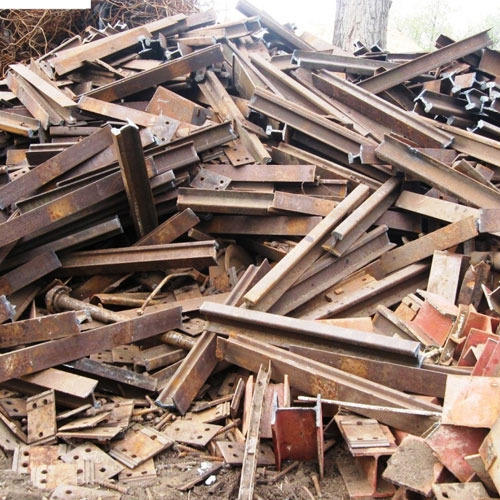
We provide iron scraps of superior quality to our esteemed clients. Our iron scraps are highly demanded. We provide iron scraps at affordable prices. We source them from valuable vendors of the market. Our iron scraps are free from rust. Our iron scraps are durable and have high strength
Packaging Details: Standard Seaworthy Export Packed Packed In Bundle or As Customer’s Requirements
Specifications:
ISRI 201 No. 1 : Heavy melting steel 3 feet x 18 inches. Wrought iron and/or steel scrap 1/4 inch and over in thickness, individual pieces not over 36 inches x 18 inches (charging box size) prepared in a manner to insure compact charging.
ISRI 202 No. 1 : Heavy melting steel 5 feet x 18 inches. Wrought iron and/or steel scrap 1/4 inch and over in thickness. Individual pieces not over 60 inches x 18 inches (charging box size) prepared in a manner to insure compact charging.
ISRI 203 No. 2 : Heavy melting steel.* Wrought iron and steel scrap, black and galvanized, 1/8 inch and over in thickness, charging box size to include material not suitable as No. 1 heavy melting steel Prepared in a manner to ensure compact charging.
ISRI 204 No. 2 : Heavy melting steel.* Wrought iron and steel scrap, black and galvanized, maximum size 36 x 18 inches. May include all automobile scrap properly prepared.
ISRI 205 No. 2: Heavy melting steel 3 feet by 18 inches. Wrought iron and steel scrap black and galvanized, maximum size 36 x 18 inches. May include automobile scrap properly prepared, however, to be free of sheet iron or thin-gauged material.
ISRI 206 No. 2: Heavy melting steel 5 feet by 18 inches. Wrought iron and steel scrap black and galvanized, maximum size 60 x 18 inches. May include automobile scrap properly prepared, however, to be free of sheet iron or thin-gauged material.
Scrap Rails (R50 and R65) Cut Lengths;
1.5 meters (ideal for melting)
6 meters
12 meters full length (ideal for piling)
IRON ORE
We are traders of Iron Ore Products %63 to %64.5
Typical Specifications are as following;
Fe – Maximum 64.5% / Minimum 62%
Fe2O3 – Maximum 82%
Al2O3 – Maximum 1.5%
SiO2 – Maximum 8.5%
S – Maximum 0.06% / Minimum 0.02%
HMS 1 & 2 Scrap Metal: A Complete Guide
Introduction
HMS 1 & 2 metal scrap, commonly referred to as Heavy Melting Scrap, is one of the most widely traded forms of ferrous scrap metal in the global recycling and steel manufacturing industries.
It plays a critical role in the circular economy by transforming discarded steel materials into reusable raw resources for new production. Whether you are a scrap dealer, steel manufacturer, or importer/exporter, understanding HMS 1 & 2 scrap is essential for making informed purchasing and trading decisions.
HMS 1 & 2 metal scrap remains a vital component of the global steel and recycling industries. Its affordability, availability, and sustainability make it an essential raw material for modern manufacturing. Understanding its specifications, grading, pricing factors, and applications can help businesses make informed decisions and maximize value in the scrap metal trade.
As the world moves toward greener and more sustainable practices, the importance of HMS scrap will continue to grow, reinforcing its role in the future of industrial production and environmental conservation.
What is HMS 1 & 2 metal scrap?
HMS stands for Heavy Melting Scrap, which refers to recyclable ferrous metals that are typically composed of steel and wrought iron. These materials are recovered from demolished structures, obsolete machinery, industrial waste, and discarded metal products.
HMS scrap is categorized into two primary grades:
-
-
- HMS 1: Clean, thicker steel scrap free from coatings or contaminants
- HMS 2: Thinner, lighter scrap that may include minor impurities
-
When combined, HMS 1 & 2 scrap is sold as a mixed grade, offering a balance between quality and cost-effectiveness.
Origins of HMS Scrap
The origin of HMS scrap lies in the recycling of industrial and structural steel. It is primarily sourced from:
-
-
- Demolition of buildings and infrastructure
- Industrial machinery and equipment
- Shipbreaking yards
- Automotive scrap
- Rail tracks and heavy steel components
-
Major exporting regions include North America, Europe, and parts of Asia, where large-scale industrialization and infrastructure turnover generate significant volumes of scrap metal.
Brief History of HMS Scrap
The concept of recycling metal dates back thousands of years, but the modern classification of HMS scrap emerged during the industrial revolution when steel production expanded rapidly. As industries grew, so did the need to reuse metal efficiently.
In the 20th century, standardized grading systems were introduced to regulate international trade. Organizations such as the Institute of Scrap Recycling Industries (ISRI) established guidelines for HMS 1 and HMS 2, ensuring consistency in quality and specifications.
Today, HMS scrap is a cornerstone of sustainable steel production, reducing the need for mining raw iron ore and lowering carbon emissions.
HMS 1 & 2 Scrap Specifications
Understanding the technical specifications of HMS scrap is crucial for buyers and sellers. These specifications ensure quality, safety, and compatibility with steel manufacturing processes.
HMS 1 Scrap Specifications
-
-
- Thickness: Minimum 6 mm (1/4 inch)
- Material: Clean steel and wrought iron
- Free from galvanized coatings
- No excessive rust or corrosion
- No non-metallic materials
- No sealed containers or hazardous waste
- No radioactive materials
-
HMS 2 Scrap Specifications
-
-
- Thickness: Less than 6 mm
- May include lighter steel scrap
- Can contain minor amounts of galvanized or painted materials
- Slightly higher tolerance for impurities
- Still must be free from hazardous materials
-
Mixed HMS 1 & 2 Scrap
-
-
- Typically sold in a ratio (e.g., 80:20 or 70:30)
- Combines strength of HMS 1 with affordability of HMS 2
- Widely used in steel mills for melting
-
Key Characteristics of HMS Scrap
HMS 1 & 2 metal scrap is valued for several important characteristics:
1. High Recyclability
Steel can be recycled multiple times without losing its properties, making HMS scrap highly sustainable.
2. Cost Efficiency
Compared to raw materials, scrap metal significantly reduces production costs for steel manufacturers.
3. Versatility
HMS scrap can be used in various industries, including construction, automotive, and manufacturing.
4. Availability
Due to widespread industrial use, HMS scrap is readily available in global markets.
Applications of HMS 1 & 2 Scrap
HMS scrap is primarily used in steel production but has a wide range of applications across industries.
Steel Manufacturing
The primary use of HMS scrap is in electric arc furnaces (EAF) and induction furnaces to produce new steel products.
Construction Industry
Recycled steel from HMS scrap is used in:
-
-
- Structural beams
- Reinforcement bars
- Bridges and buildings
-
Automotive Industry
HMS scrap contributes to the production of:
-
-
- Car frames
- Engine components
- Body panels
-
Shipbuilding and Heavy Machinery
Recycled steel is used in:
-
-
- Ships
- Industrial equipment
- Heavy-duty machinery
-
HMS Scrap Grading and Standards
Global trade in HMS scrap relies on standardized grading systems. The most widely recognized standards include:
ISRI Specifications
Defines HMS 1 and HMS 2 grades based on thickness, cleanliness, and composition.
European Standards
Focus on environmental compliance and contamination limits.
Regional Variations
Different countries may have slightly varying requirements, but most align with ISRI guidelines.
Factors Affecting HMS Scrap Prices
The price of HMS 1 & 2 metal scrap fluctuates based on several key factors:
1. Global Steel Demand
Higher demand for steel increases the demand for scrap metal.
2. Supply Availability
Demolition activity and industrial output influence scrap supply.
3. Transportation Costs
Shipping and logistics significantly impact pricing in international trade.
4. Currency Exchange Rates
Fluctuations in currency values affect import/export pricing.
5. Government Policies
Tariffs, environmental regulations, and trade restrictions can influence market prices.
Advantages of Using HMS Scrap
Environmental Benefits
-
-
- Reduces mining of natural resources
- Lowers greenhouse gas emissions
- Minimizes landfill waste
-
Economic Benefits
-
-
- Cost-effective raw material
- Supports recycling industries
- Creates employment opportunities
-
Industrial Efficiency
-
-
- Faster melting process
- Consistent material quality
- Reduced energy consumption
-
Challenges in HMS Scrap Trade
Despite its benefits, the HMS scrap market faces certain challenges:
Quality Variability
Inconsistent sorting can lead to contamination.
Regulatory Compliance
Strict environmental and safety regulations must be followed.
Market Volatility
Prices can fluctuate rapidly due to global economic conditions.
Logistics Issues
Transportation and storage require proper handling to prevent losses.
How to Identify High-Quality HMS Scrap
To ensure quality, buyers should look for:
-
-
- Uniform size and thickness
- Minimal rust and corrosion
- Absence of non-metal materials
- Proper documentation and certification
-
Working with reputable suppliers is essential to avoid substandard materials.
Packaging and Transportation
HMS scrap is typically transported in bulk via:
-
-
- Container shipments
- Bulk cargo vessels
- Rail and truck transport
-
Proper packaging and handling are crucial to ensure safety and compliance with international shipping standards.
Global Market Overview
The HMS scrap market is highly globalized, with major exporters and importers:
Major Exporters
-
-
- United States
- United Kingdom
- Germany
- Japan
-
Major Importers
-
-
- Turkey
- India
- Bangladesh
- Pakistan
-
Turkey is one of the largest consumers of HMS scrap due to its extensive steel production industry.
Sustainability and Environmental Impact
HMS scrap plays a vital role in sustainable development by:
-
-
- Conserving natural resources
- Reducing energy consumption
- Lowering carbon emissions
-
Recycling steel from HMS scrap uses significantly less energy compared to producing steel from iron ore, making it an environmentally responsible choice.
Future Trends in HMS Scrap Industry
The HMS scrap industry is evolving with new trends:
Increased Recycling Rates
Governments are promoting recycling to reduce environmental impact.
Technological Advancements
Improved sorting and processing technologies enhance quality.
Green Steel Production
Steel manufacturers are adopting eco-friendly methods using scrap metal.
Digital Trading Platforms
Online marketplaces are streamlining global scrap trade.
Frequently Asked Questions (FAQ)
1. What is the difference between HMS 1 and HMS 2 scrap?
HMS 1 is thicker, cleaner, and free from coatings, while HMS 2 is thinner and may contain minor impurities.
2. What does HMS stand for?
HMS stands for Heavy Melting Scrap.
3. What is the typical ratio of HMS 1 & 2 in mixed scrap?
Common ratios include 80:20 or 70:30, depending on buyer requirements.
4. Is HMS scrap recyclable?
Yes, HMS scrap is highly recyclable and can be reused multiple times.
5. What industries use HMS scrap?
Steel manufacturing, construction, automotive, and heavy machinery industries.
6. How is HMS scrap priced?
Prices depend on global demand, supply, quality, and transportation costs.
7. Can HMS scrap contain rust?
Minor rust is acceptable, but excessive corrosion is not allowed.
8. Is HMS scrap environmentally friendly?
Yes, it reduces waste, conserves resources, and lowers emissions.
9. What are the common contaminants to avoid?
Non-metal materials, hazardous waste, sealed containers, and radioactive substances.
10. How is HMS scrap transported?
It is shipped in bulk via containers, trucks, rail, or cargo vessels.


Reviews
There are no reviews yet.